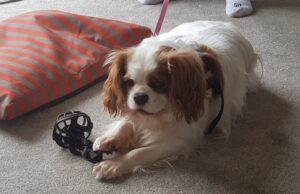
Sudden aggression is often a dog’s way of saying “I’m hurting.” Pain from arthritis, injuries, dental problems, or infections can make normal touch or movement feel threatening. Growling or snapping becomes self-protection, not “bad behaviour.” A vet check is the first step. Once pain is treated, a behaviour plan helps your dog feel safe and calm again.
Many dogs who look “aggressive” are actually scared. Growling, barking, or snapping often happens when a dog feels threatened, trapped, or overwhelmed. Fear creates defensive behaviour, not a desire to fight. The key is understanding what triggers the fear and helping your dog feel safe again. With the right plan, fear-based reactions can change into calmer, more confident behaviour.
Yes — a qualified behaviourist is one of the best people to help with aggression. They look beneath the behaviour to understand the emotions, triggers, and learning history driving it. Using science-based, force-free methods, a behaviourist creates a tailored plan that improves safety, reduces stress, and teaches your dog healthier ways to cope. Aggression can change with the right support.
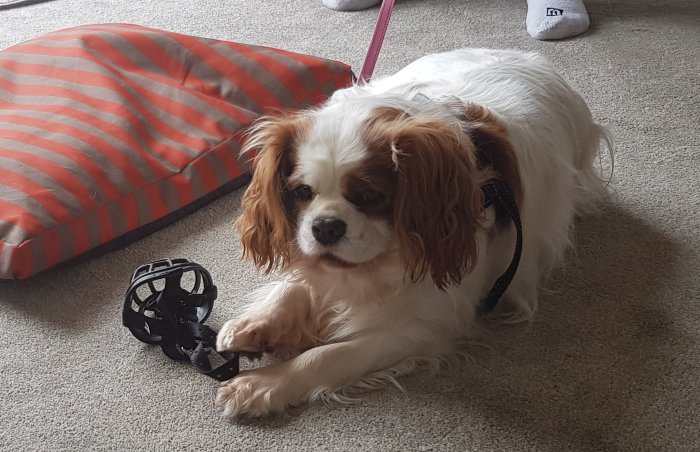
"We are so impressed and thankful for the professional and insightful help Darran has given us with our dog’s on lead reactivity which started following a few bad experiences he had while on lead. Darran..."
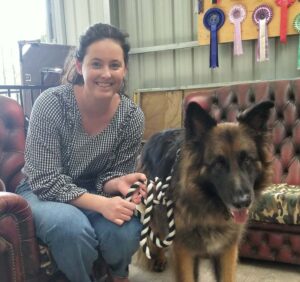
"Our little Cav Katie does not like people even sometimes people she knows. What to do? Darren to the rescue. His calm and gentle manner spoke volumes to us even if Katie wasn’t always listening...."